For more than two decades, we have supported the Lower Duwamish Waterway Group (LDWG) as it works with the U.S. Environmental Protection Agency (EPA) on cleanup planning for the Lower Duwamish Waterway (LDW) in Seattle—a five mile, urban, estuarine stretch of the Duwamish River listed as a Superfund site in 2001. This work was previously performed by Windward Environmental LLC, which became part of Barr in October 2025.
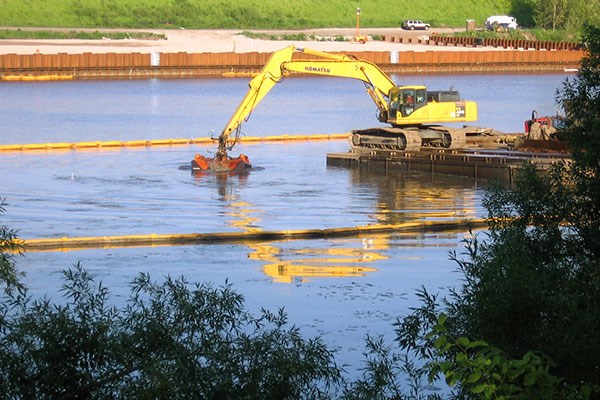
More than a century of industrial use and urban development left elevated levels of contaminants in LDW sediments, including polychlorinated biphenyls (PCBs), heavy metals, and polycyclic aromatic hydrocarbons (PAHs). Addressing this legacy contamination requires detailed investigation and careful planning to support a safe, effective cleanup.
As part of LDWG’s long-term effort to characterize the site and support remediation, our team has contributed to multiple phases of the project, including:
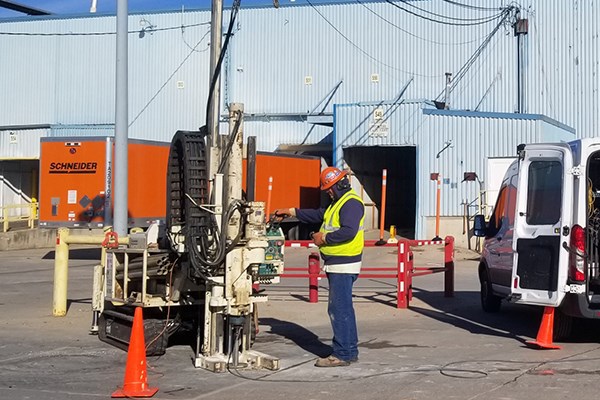
The PDI is ongoing. Our project team has planned and carried out a wide range of sampling to establish baseline and pre-design conditions for surface water, sediment, porewater, and fish, crab, and clam tissues. We have authored and co-authored key project documents—such as quality assurance project plans, work plans, and QA/QC protocols—so data collection stays focused, defensible, and aligned with an aggressive schedule.
Our team has compiled and is maintaining a comprehensive project database that integrates historical and newly collected sampling data. We also interpret sampling results to support the remedial design, evaluate trends over time, and confirm recovery modeling assumptions.
The LDW work follows a phased, reach‑by‑reach approach that allows construction to begin as the team completes pre‑design for each area. Barr is also helping develop a draft long‑term monitoring plan for the entire waterway to help with tracking cleanup performance and monitoring the river’s recovery over time. Together, these efforts are helping LDWG chart a clear, defensible path from investigation to construction—supporting an effective, timely cleanup that will protect local communities and improve ecosystems.