New findings on the environmental impacts of wastewater PFAS treatment and destruction
Article summary: A recently published study from researchers at the Minnesota Pollution Control Agency, University of St. Thomas, Colorado School of Mines, and Barr Engineering Co. evaluates the environmental impacts of removing and destroying PFAS from municipal wastewater effluent. Using life-cycle assessment, a method for evaluating environmental impacts across a system’s full life cycle, the research highlights potential environmental trade-offs and opportunities to reduce impacts through treatment design and operation. The findings can help inform future utility planning, permitting, and policy decisions.
Treating wastewater effluent for per- and polyfluoroalkyl substances (PFAS) can help reduce PFAS discharges to the environment, but what are the broader environmental impacts of treatment itself?
A recently published study, Life-Cycle Environmental Impacts of Removing and Destroying PFAS From Wastewater Effluent, explores that question using life-cycle assessment (LCA) to evaluate environmental impacts associated with PFAS treatment and destruction at municipal water resource recovery facilities (WRRFs). The research was published in Water Environment Research in August 2026 and was completed through a collaboration among researchers from the Minnesota Pollution Control Agency, University of St. Thomas, Colorado School of Mines, and Barr.
Barr contributed to the study by developing conceptual capital infrastructure designs and cost inputs used in the life-cycle assessment models.
Key findings from the life-cycle assessment
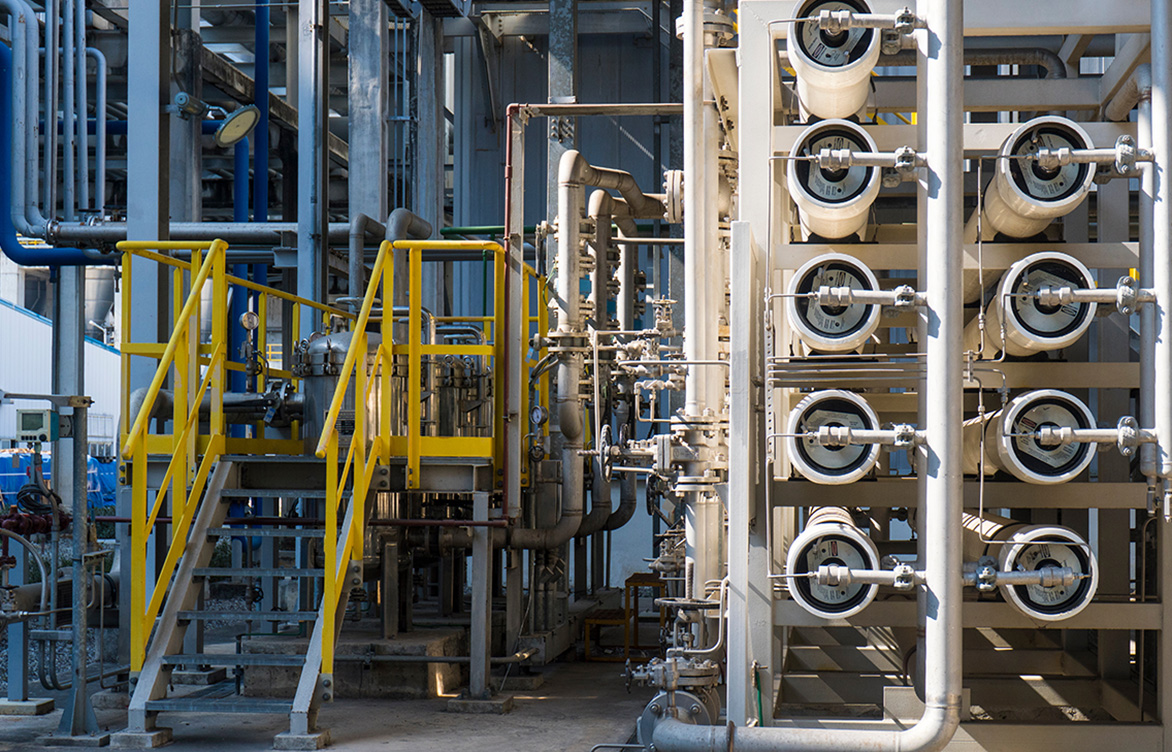
The study found that removing and destroying PFAS from municipal wastewater effluent could significantly increase greenhouse gas emissions and other environmental impacts associated with wastewater treatment operations. At the same time, the analysis identified opportunities to reduce those impacts through approaches such as granular activated carbon (GAC) reactivation and reuse, reverse osmosis preconcentration, and the use of renewable energy sources.
Researchers also developed impact curves to help utilities, regulators, and policymakers estimate the environmental impacts of PFAS treatment based on facility size and treatment technology. These tools can support planning, permitting, and long-term decision-making as PFAS regulations continue to evolve.
Read the full article in the August 2026 issue of Water Environment Research (or access the PDF below). Contact us for more information about Barr’s PFAS work.
About the authors
Becca Vermace, environmental engineer, has eight years of experience with water and wastewater engineering projects and research, and holds a master’s degree in environmental engineering. At Barr, Becca has worked on a variety of projects for industrial and municipal clients. Her work has focused on feasibility studies and system retrofit designs to help clients come into compliance with their permit limits and achieve water quality goals. Many of her projects have been for clients trying to remove PFAS from drinking water, wastewater, or stormwater.
Other contributing authors: Anderson C. Ellis, Alison L. Ling, R. Hapaki Lorenzo Quintana, Scott Kyser