To support Arizona’s clean energy goals and grid reliability, EDF power solutions North America (EDF) partnered with Arizona Public Service (APS) to develop and construct the Beehive Battery Energy Storage System (BESS)—a 250 MW/1,000 MWh facility located in Maricopa County, just north of Phoenix. The project is designed to store renewable energy and dispatch it during peak demand periods, helping APS meet its target of 100% carbon neutrality by 2050.
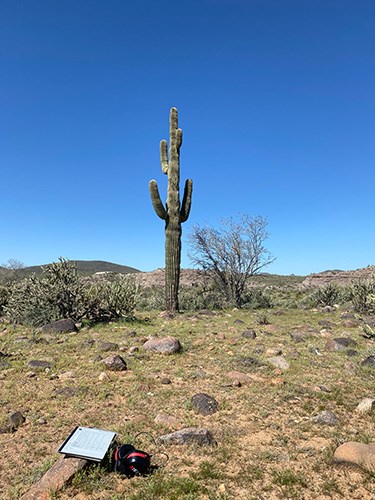
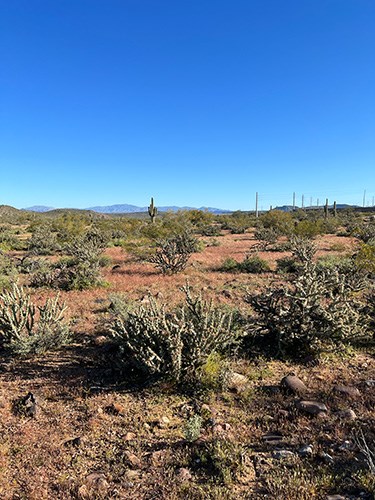
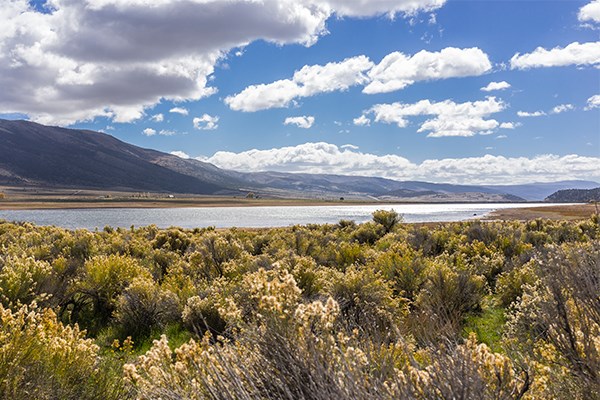
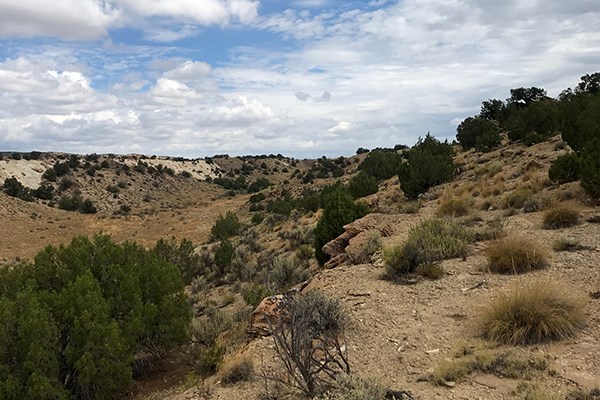
EDF engaged Barr to conduct preliminary and design phase geotechnical investigations, informing foundation design and construction planning for the BESS, substation, roads, and transmission line alignment. The site’s location in the Sonoran Desert presented unique challenges, including variable subsurface conditions, potential geologic hazards, and difficult pile-driving environments due to the presence of cobbles and boulders.
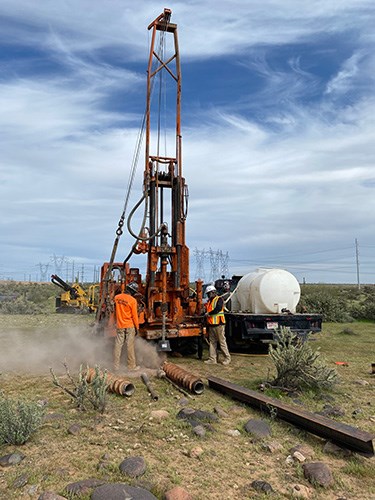
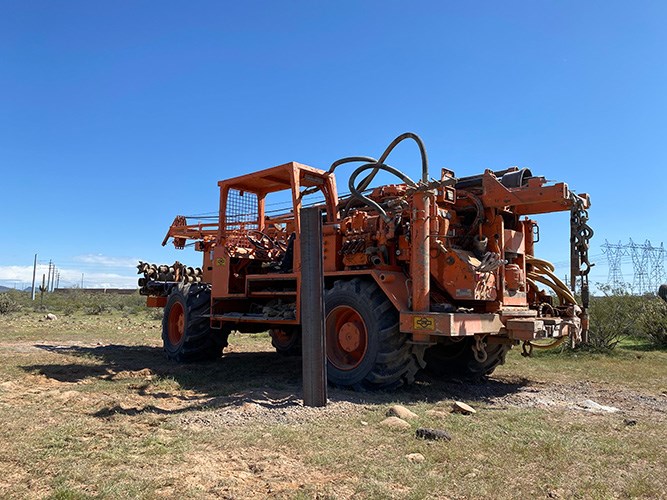
We conducted a series of geotechnical borings, test pits, and pile load tests to assess the site for BESS foundation suitability. Geotechnical laboratory tests were completed to characterize soil stratigraphy and support geotechnical analysis and design recommendations. We also performed analytical testing to assess corrosion potential, thermal resistivity testing to support underground collection design, and electrical resistivity testing to support grounding design.
Based on our findings, we recommended foundations tailored to each infrastructure component. For the BESS, we evaluated both pre-drilled driven piles and precast concrete beam foundations. For the substation and transmission line, we provided design parameters for spread footings, drilled shafts, and direct embedment foundations.
Barr’s civil engineering services included an evaluation of public road conditions, an inventory of culverts and bridges, and a capacity analysis of these structures. These assessments were necessary because future deliveries of BESS components will be in oversized or overweight loads, requiring special considerations for equipment delivery during construction. With this data, EDF was able to select effective and reliable delivery routes for BESS components.
Barr’s services helped EDF and the construction contractor optimize foundation design, reduce construction risk, and provide for long-term performance of critical infrastructure. Our deliverables provided actionable guidance for the design team, supporting the successful development of a high-impact energy storage facility that advances a clean energy future and enhances grid stability.