In 2023, United Power Inc., a not-for-profit, member-owned electric distribution cooperative serving Colorado's northern Front Range, determined that it needed to store more energy to continue providing a resilient and responsive power grid. The cooperative partnered with developer-owner Ameresco, Inc. to complete the state’s largest installation of battery energy storage systems (BESS) to date. Ameresco looked to Barr as the lead design engineer.
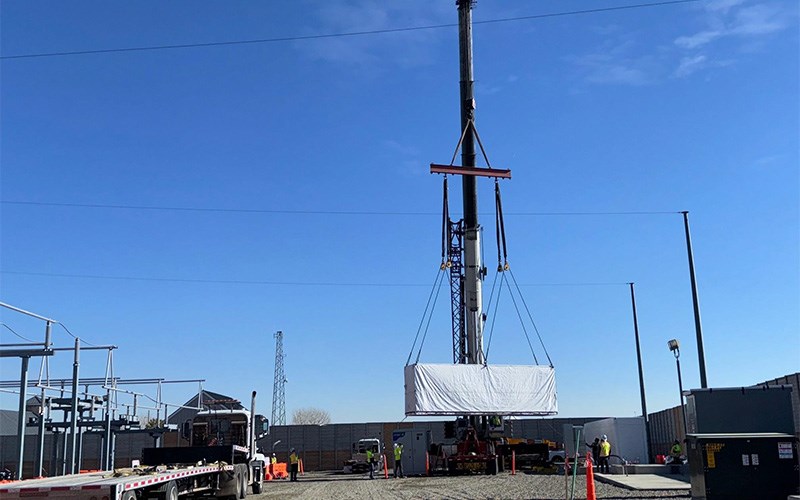
The goal was to install eight BESS equipped with rows of Tesla Megapack 2XL batteries and connect them to substations and distribution lines across United Power’s service area. The eight BESS would be used for peak shaving—during periods of peak demand, power can be drawn from the batteries instead of the grid, helping maintain grid stability and control costs. Barr led the feasibility and siting studies, permitting, and the civil, foundation, and electrical designs for all eight BESS: four with 8 MW capacity and four with 12 MW capacity. Together, they comprise approximately 13% of United Power’s peak load.
After working closely with United Power, Ameresco, and four local governments to site the batteries according to operational, geotechnical, and regulatory needs, we designed the site layout and general arrangement; single-line diagrams; schematics; relay and recloser settings; cable sizing and routing; foundations; spill prevention, control, and countermeasure (SPCC) plans; oil retention; site fencing; roadways; grading and drainage; and stormwater management plan.
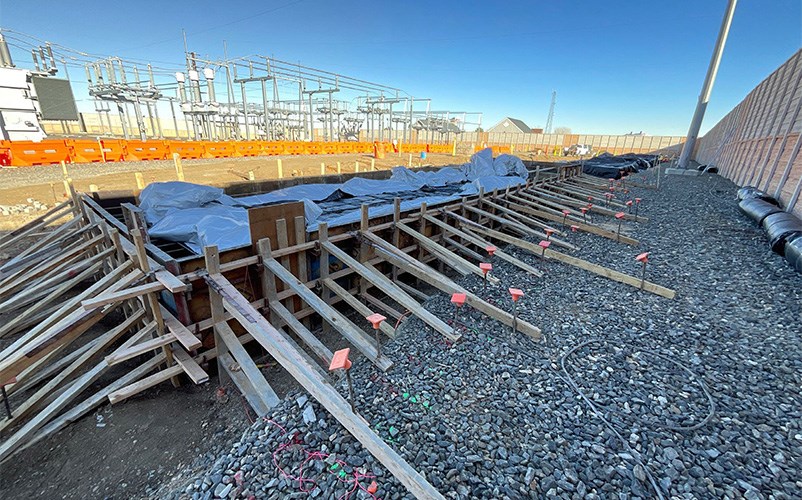
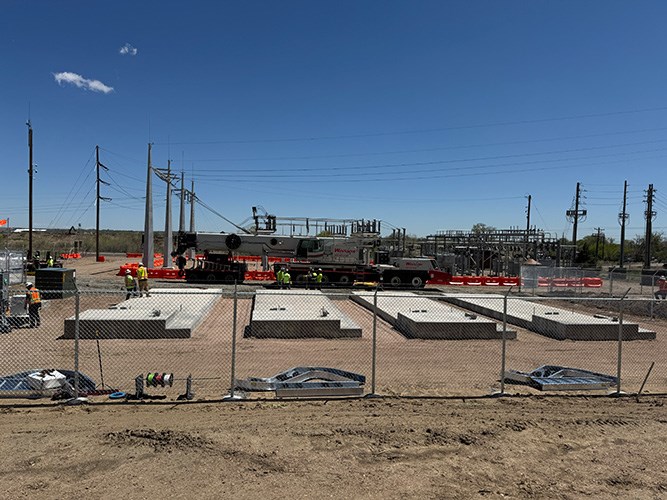
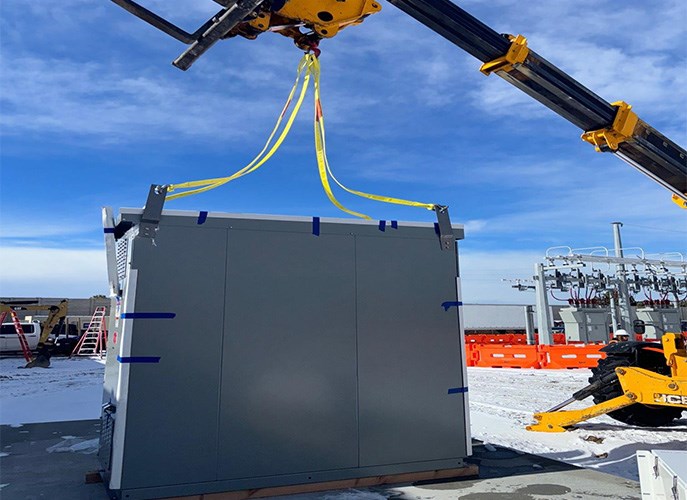
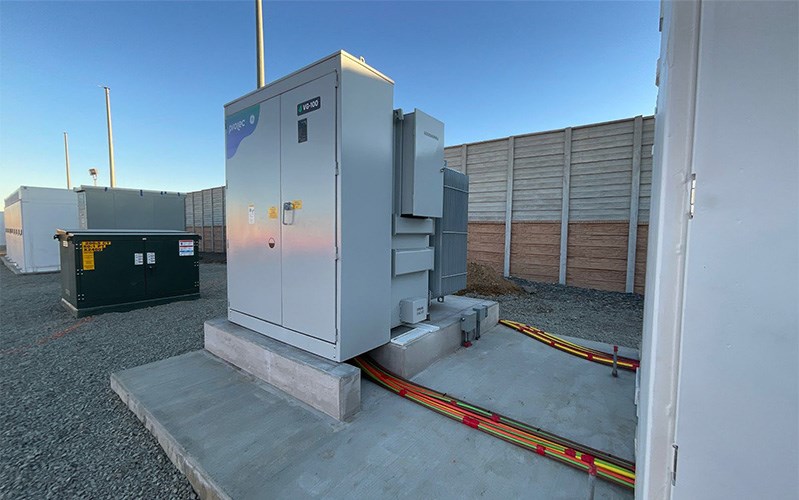
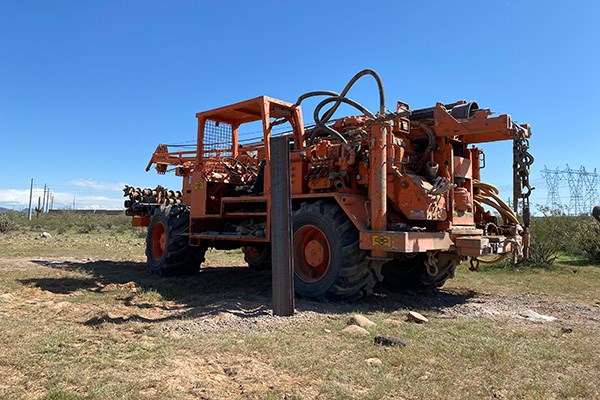
Manufacturer specifications for the Tesla Megapack batteries, each weighing over 80,000 pounds, required that the BESS have reinforced concrete foundations with a low maximum differential settlement tolerance: half an inch over the length of a single battery. To meet this requirement, Barr designed robust foundations for all pad-mounted equipment, including the batteries, step-up transformers (one for each pair of Megapacks), auxiliary power transformers (one per station), and United Power’s metering cabinet, which served as the point of interconnection (POI).
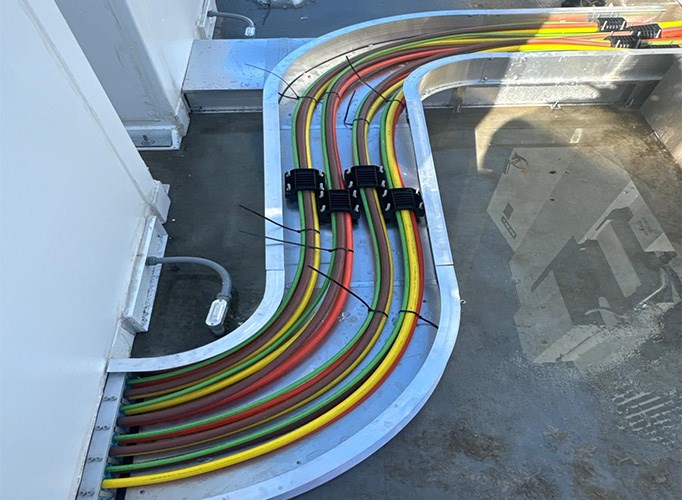
To optimize the reliability, safety, and efficiency of the medium-voltage systems connecting the BESS to the utility grid, we conducted arc-flash incident energy, load-flow, short-circuit, coordination, and cable ampacity studies to inform our electrical designs. The low-voltage system was designed by Flux Energy Systems. Flux and Barr worked together on the general arrangement, the ground grid and grounding details, and the interface at the transformers connected to the batteries.
Barr’s construction support services included coordination meetings, equipment and construction specifications, and shop drawing reviews. We also helped United Power and Ameresco develop the interconnection agreements that govern their respective roles and responsibilities for operations and maintenance.
Completed on schedule in 2024, the eight BESS are currently operational and helping United Power deliver reliable, cost-effective electricity to its members.