
ENGINEERING AND ENVIRONMENTAL CONSULTING FOR
PHARMACEUTICAL AND LIFE SCIENCES
By integrating permitting, engineering, and remediation services, we help clients evaluate environmental requirements, develop practical compliance strategies, design solutions, and manage risks across the full lifecycle.
Integrating environmental and engineering resources for real‑world solutions
Life sciences and pharmaceutical organizations face complex environmental and regulatory challenges—often driven by highly specialized processes, evolving regulations, and fast-moving research and manufacturing demands. Successfully navigating these challenges requires practical engineering solutions that support operational goals while maintaining regulatory compliance.
At Barr, we take a holistic, client-focused approach. Our environmental and engineering professionals bring direct experience in the life sciences and pharmaceutical industry, including team members who previously held environmental compliance responsibilities at pharmaceutical facilities. Whether you’re expanding a facility, adding new manufacturing capacity, upgrading infrastructure, or managing ongoing compliance obligations, Barr can help you navigate environmental and engineering challenges and move projects forward with confidence.
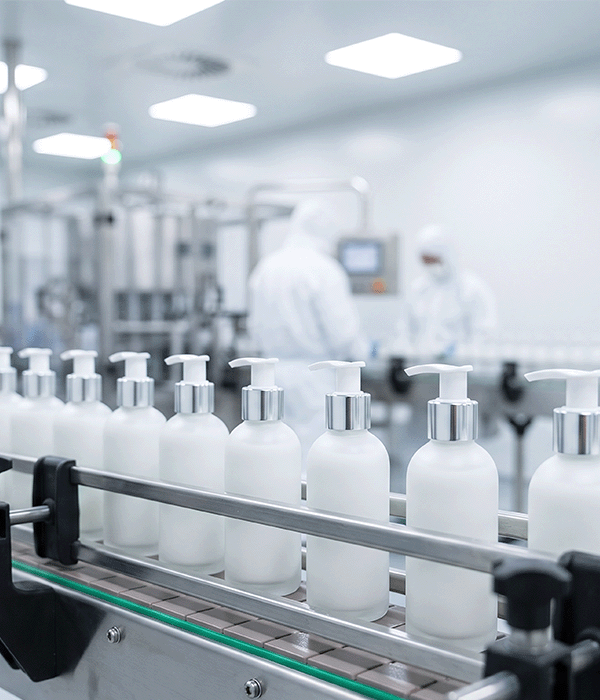
Air quality permitting and compliance
Understanding air emissions and regulatory applicability can be especially challenging for pharmaceutical and biotech companies. Custom equipment, dynamic batch operations, and layered federal, state, and local regulations require flexible, well-informed strategies.
Barr helps clients:
- Evaluate air emissions, regulatory applicability, and permitting requirements for unique manufacturing and R&D processes
- Develop practical air permitting strategies and support permitting for new construction, facility modifications, and operational changes
- Navigate pharmaceutical MACT standards, chemical manufacturing area source rules, and other applicable air regulations
- Permit new manufacturing, formulation, and nucleic acid production operations
- Support permitting and compliance for facility infrastructure, including boilers, emergency generators, emission controls, and wastewater treatment systems
With Barr’s in-house expertise in dispersion modeling, health risk assessments, stack testing, and emissions tracking systems, you’ll find support for both permitting and long-term compliance.
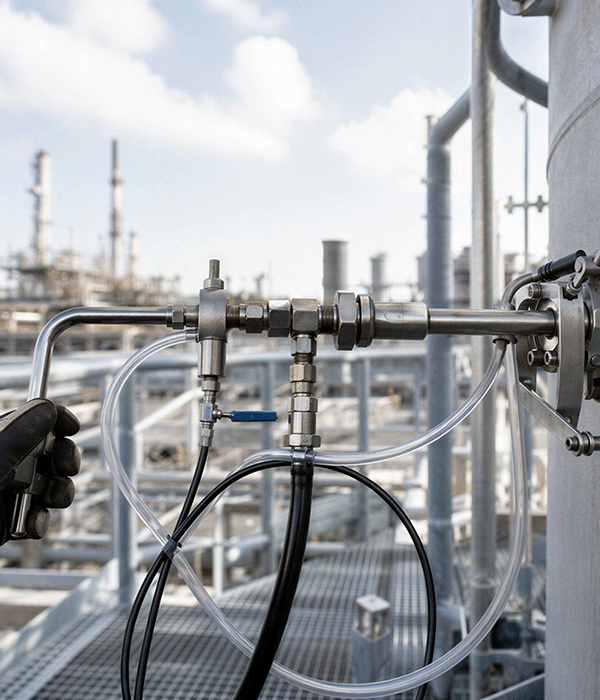
Rinse water and wastewater management
Wastewater containing active pharmaceutical ingredients (APIs) often requires targeted management due to its diverse and bioactive nature. Downstream aquatic toxicity and whole effluent toxicity (WET) considerations add additional complexity.
Barr supports life sciences clients with:
- Alternatives analysis and pretreatment negotiations with local utilities
- NPDES permitting
- Bench- and pilot-scale testing
- WET studies
- Full-scale design and commissioning of wastewater treatment systems
Our integrated approach helps align treatment performance, regulatory expectations, and day-to-day operations.
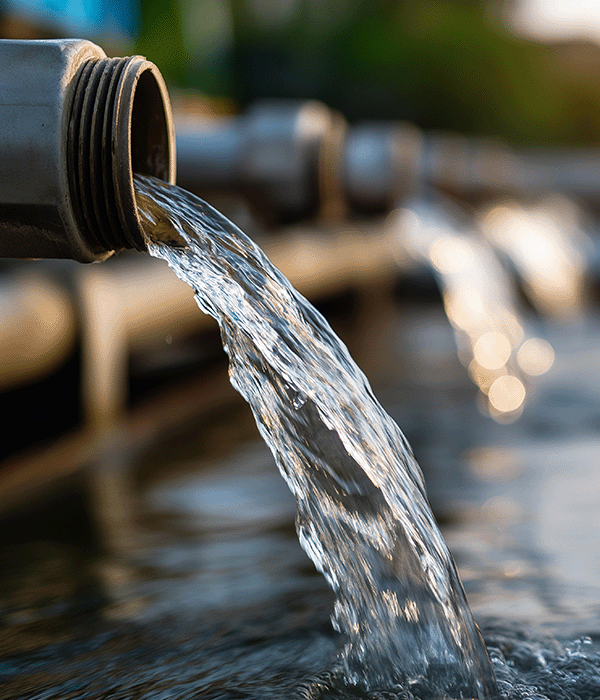
Process design
Successful process design for pharmaceutical and life sciences facilities requires more than equipment selection. It takes a practical, integrated approach that connects process performance, facility operations, regulatory considerations, and future growth.
Barr supports life sciences clients with:
- Process flow diagrams, P&IDs, and facility layouts that align production goals with safe and efficient operations
- Evaluation of process requirements, utilities, controls, material handling, and plant systems
- Process design support for new capacity, facility modifications, and infrastructure upgrades
- Construction, commissioning, startup, and optimization support
- Troubleshooting and debottlenecking to improve process performance and reliability
Our multidisciplinary approach helps clients develop well-integrated facilities that perform reliably, adapt to changing needs, and support long-term operational success.
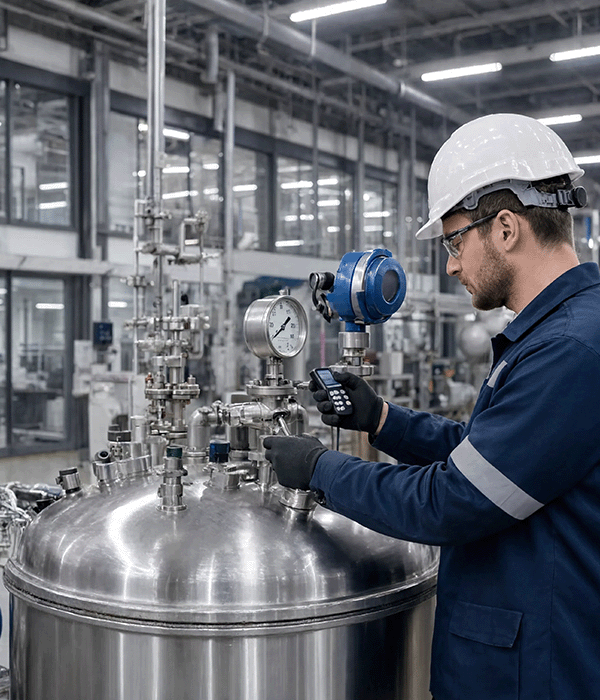
Engineering design of air pollution control equipment
Barr’s engineers support clients from permitting through equipment specification, design, and installation—allowing teams to work with a single, accountable partner throughout the process.
Our experience includes:
- Selection and evaluation of air pollution control technologies
- Supplier coordination and proposal review
- Detailed balance‑of‑plant design, including ducting, fans, electrical power, and controls integration
- Stack and foundation design and installation documentation
This integrated engineering support helps reduce risk, streamline implementation, and support compliance objectives.
RCRA‑related services for manufacturing facilities
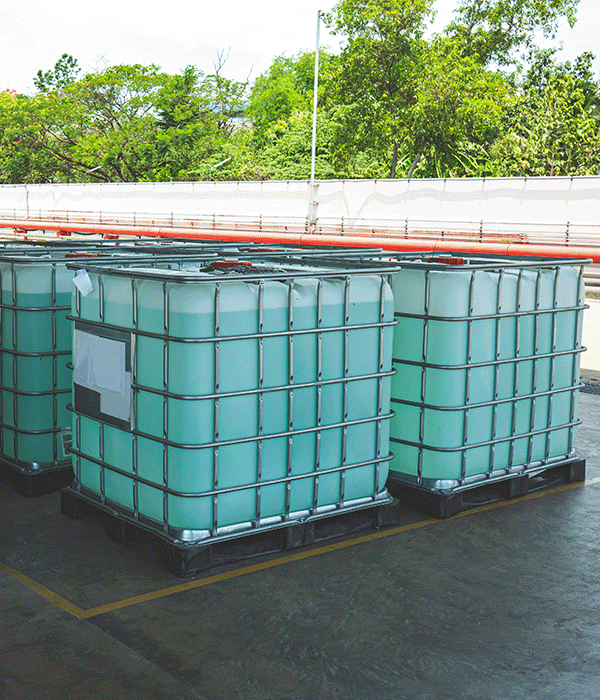
Barr helps life sciences manufacturers manage hazardous waste in compliance with the Resource Conservation and Recovery Act (RCRA). Our environmental and engineering professionals support facilities throughout the hazardous waste lifecycle, from tank system design and operation to compliance reviews, corrective actions, and facility closure.
Our services include:
- Design of RCRA‑compliant hazardous tank systems, including secondary containment and leak detection
- Professional engineering certifications and compliance evaluations to verify tank-system integrity, containment performance, and adherence to applicable RCTA standards
- Third‑party RCRA applicability and compliance reviews following regulatory inspections
- Technical support during agency negotiations and resolution of alleged RCRA violations
- Pre‑demolition hazard assessments and oversight during facility decommissioning activities to support proper waste management and disposal
By combining regulatory expertise with practical engineering solutions, Barr helps clients reduce compliance risks, avoid costly delays, and maintain operational focus.








Life sciences and pharmaceutical facilities often need support with air permitting and compliance, wastewater and rinse-water management, hazardous waste and RCRA requirements, process design, air pollution control equipment, and facility modifications or expansions.
Barr helps pharmaceutical and biotech clients evaluate emissions, determine regulatory applicability, develop air-permitting strategies, navigate requirements such as pharmaceutical MACT and other applicable air regulations, and support long-term compliance through modeling, testing, and emissions-tracking systems.
Barr supports pharmaceutical wastewater and rinse-water management through alternatives analysis, pretreatment coordination, NPDES permitting, bench- and pilot-scale testing, whole effluent toxicity studies, and full-scale wastewater treatment system design and commissioning.
Yes. Barr supports process design for life sciences facilities by developing process flow diagrams, P&IDs, facility layouts, utility evaluations, controls integration, and construction, commissioning, startup, and optimization support for new capacity, facility modifications, and infrastructure upgrades.
Barr helps life sciences manufacturers evaluate RCRA applicability, design RCRA-compliant hazardous tank systems, assess secondary containment and leak detection, support compliance reviews after regulatory inspections, assist with agency negotiations, and manage waste during decommissioning or demolition.
An integrated environmental and engineering consultant can help connect permitting, compliance, process engineering, wastewater treatment, air quality, and hazardous waste considerations early in a project, reducing risk and helping facilities move from planning through implementation more efficiently.